

Bournemouth Lifeguards has a long and proud history of operating lifesaving craft. Today, we operate five Arancia inshore rescue boats, powered by surf-modified Tohatsu outboards all housed in our cutting edge HQ at Joseph’s Steps. Together with our dedicated crews, who have a wealth of technical knowledge and operational expertise, these resources make BLGC one of the largest and most successful IRB clubs in the UK.
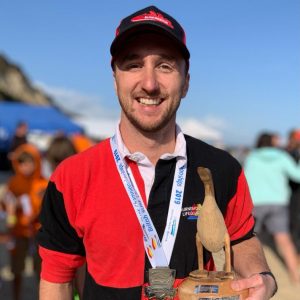
Meet our Boatswain
“Hello! I’m John and if you want to talk about Inshore Rescue Boats or IRBs as we know them, then I hope you’ve got plenty of time on you. I look after our boats and training of crews as well as IRB sport and competitions. I have been involved with BLGC for more years than I haven’t and proud to be part of the club.”
John Humphreys
Boatswain
History of IRBs
Before exploring our incredible kit and how we use it, it’s important to understand the origins of the IRB and how BLGC came to use them. Use the toggles below to explore both the wider history of IRBs and how BLGC’s use of rescue craft evolved to adopt them.
Our Kit
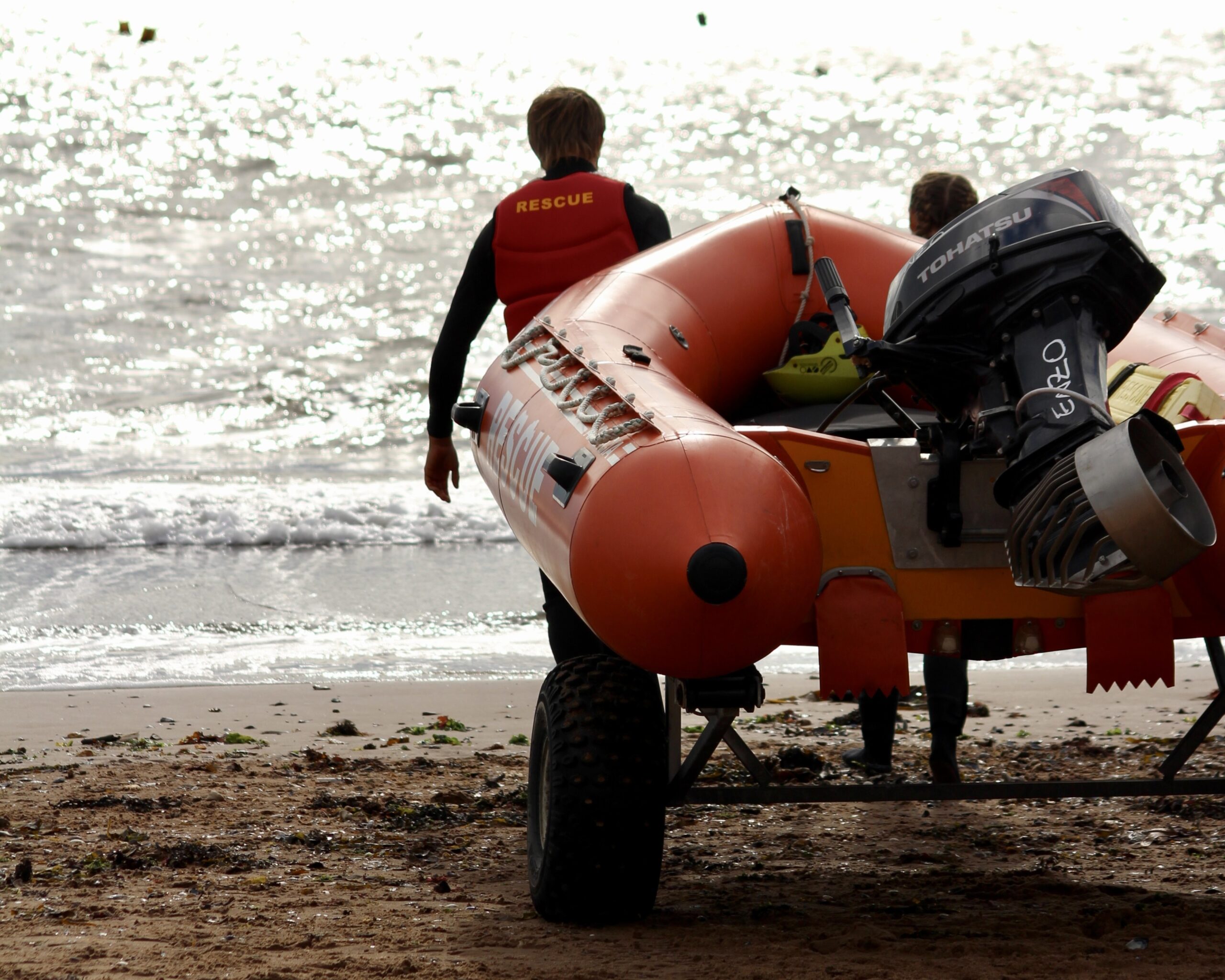
IRB Champs '24 | Tegan Bird
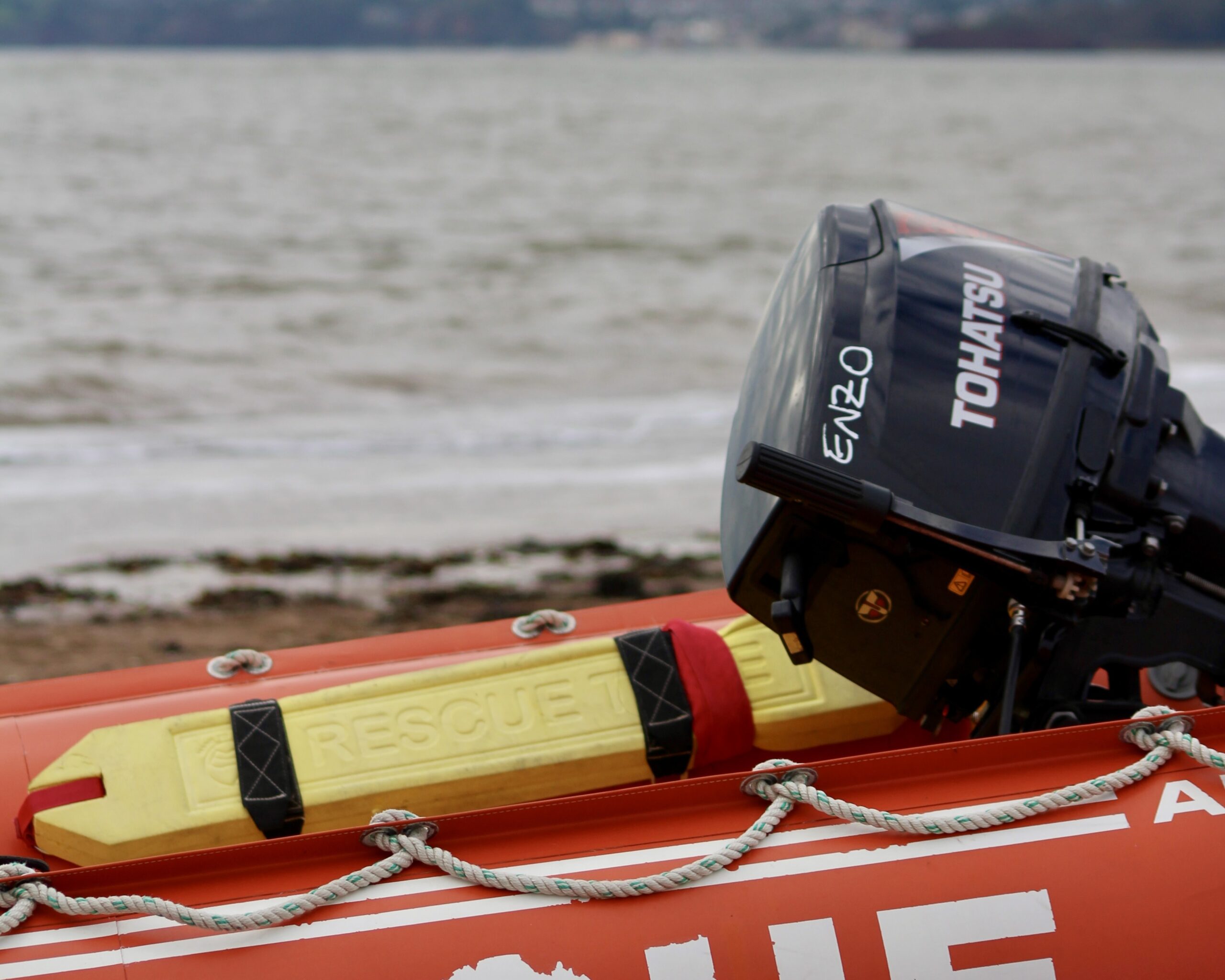
IRB Champs '24 | Tegan Bird
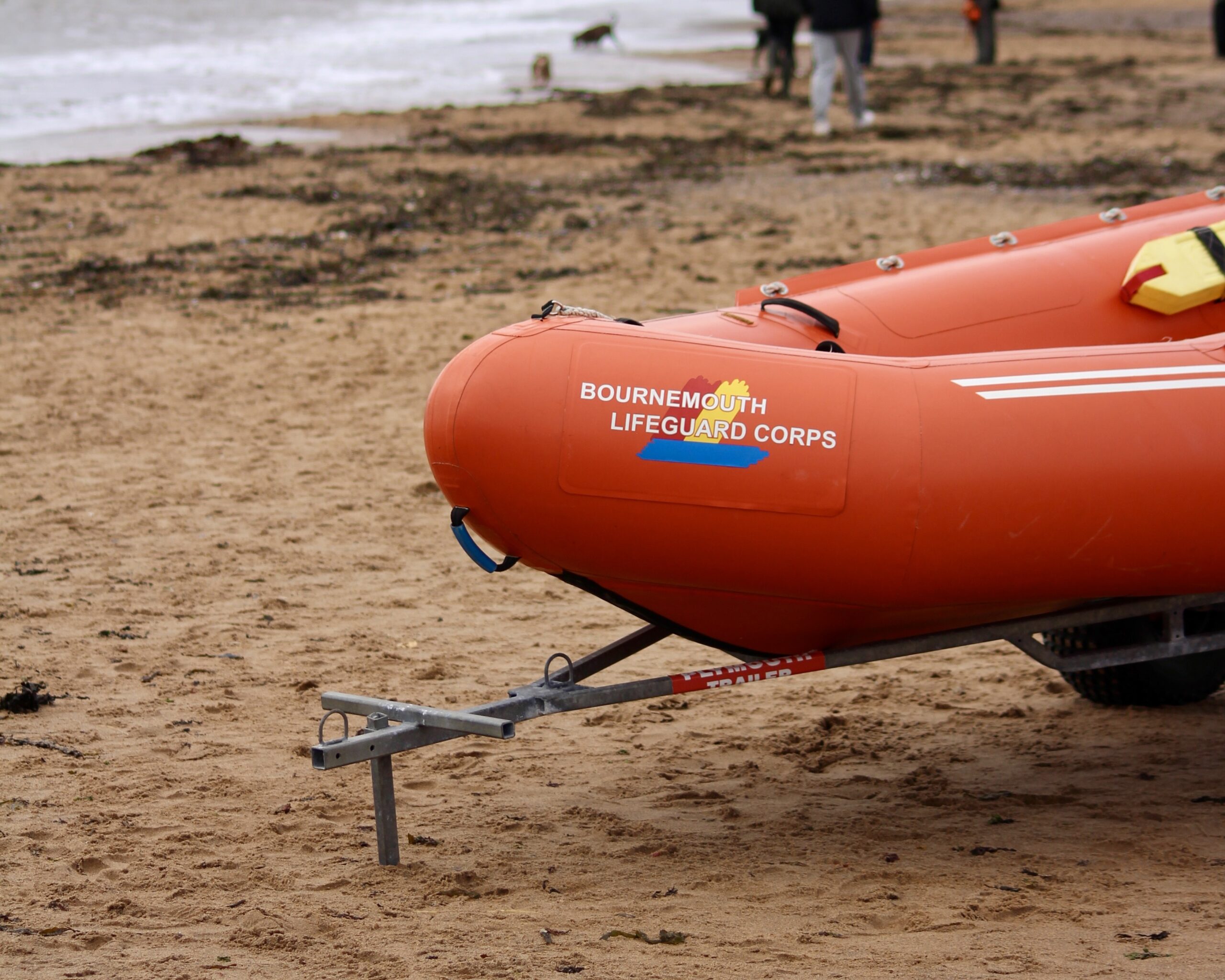
IRB Champs '24 | Tegan Bird
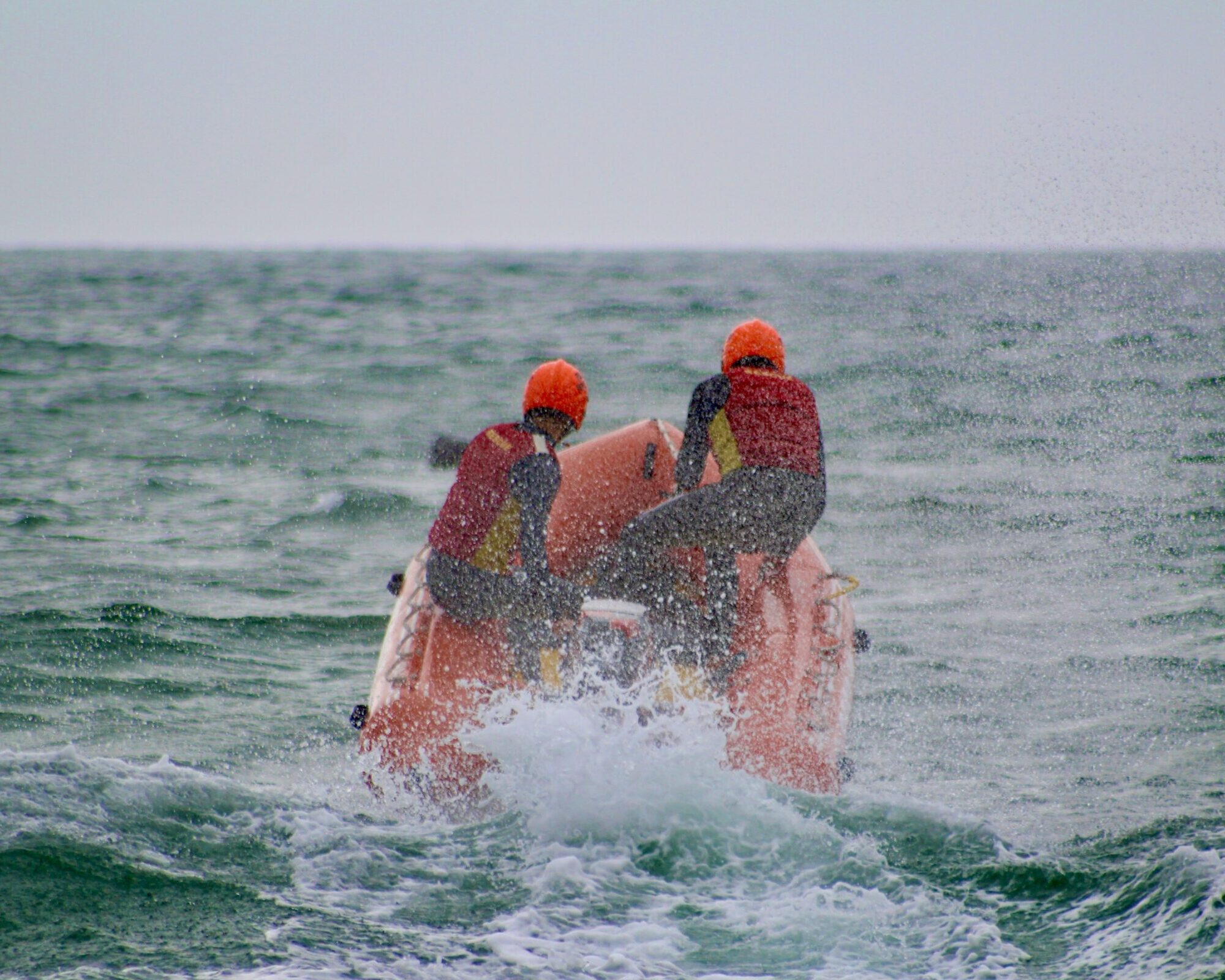
IRB Champs ’26 | Tegan Bird
At BLGC we operate 5 Arancia Surf Rescue Boats.
They are constructed with three inflatable sponsons and a single inflatable keelson. The removable floor allows the boat to be fully deflated for easy transport. Designed to be operated by two people (a crew member and a driver), they can accommodate 5–6 people when required.
Their classic orange color is recognised around the world.
- Propellor Guard
- Reversed Kill Switch
- Throttle Return Spring
You may also notice that each of our engines have their own name. This helps us keep track of engine hours and any issues / maintenance.
Alongside our boats and engines we also carry various additional kit and PPE. Including:
- Buoyancy Aids
- Helmets
- VHF Radios
- Tow Rope
- Rescue Tube
- Grab Bag
Lifesaving Operations
The primary use of the IRB is as a lifesaving craft. As part of our regular training we practice all sorts of operational skills in a variety of conditions.
All of this training leads toward the SLSGB Crew and Driver Awards, the qualifications that enable our members to operate the IRB safely and effectively in real operational environments.
IRB Crew Award
IRB Crew Award
16+ Yrs
10 Hours Experience (5 afloat)
Hold a Valid SLSGB Lifeguard qualification or recognised
equivalent.
IRB Driver Award
IRB Driver Award
17+ Yrs
20 Hours Experience (10 afloat)
Hold a Valid SLSGB Lifeguard qualification or recognised
equivalent.
We’re able to provide IRB support with fully qualified crews as part of our event safety cover. In the past we’ve provided IRB cover for numerous events including the GBSUP Battle of the Bay, Brownsea Island Swim & the Bournemouth Air Show. To learn more or to make an enquiry, please visit our Event Cover page.
IRB Sport
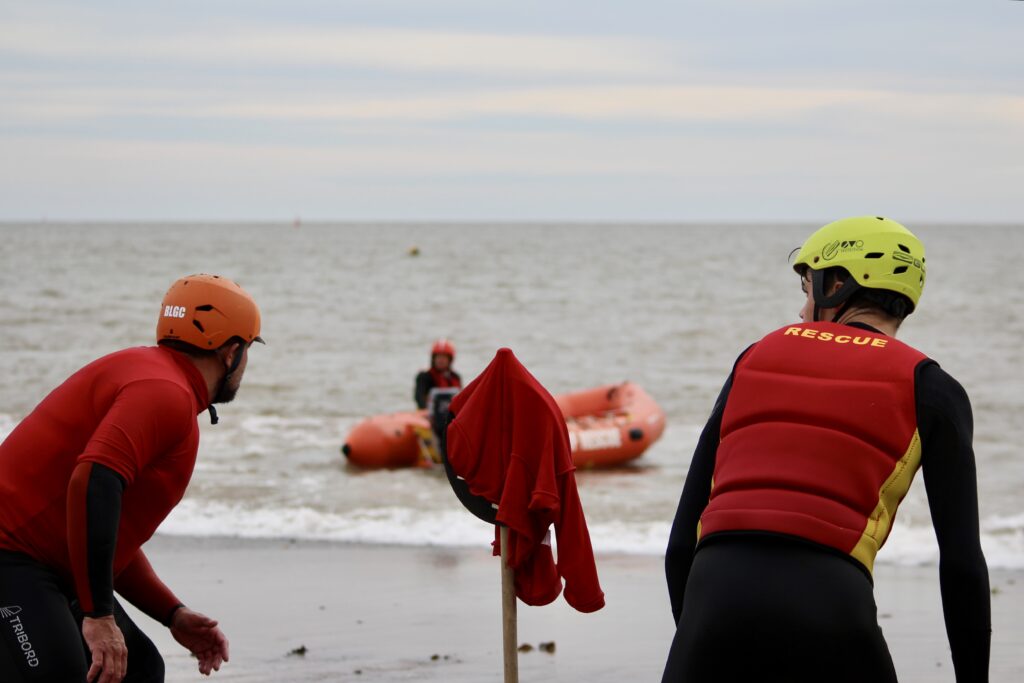
IRB Champs '24 | Tegan Bird
IRB sport consists of 4 simulated rescue events, with the ultimate aim of improving lifesaving skills through competition. The 4 events are:
- Single Rescue
- Tube Rescue
- Mass Rescue
- Team Rescue
To learn more about IRB sport and BLGCs historical performances visit our dedicated lifesaving sport page.
Our Sessions
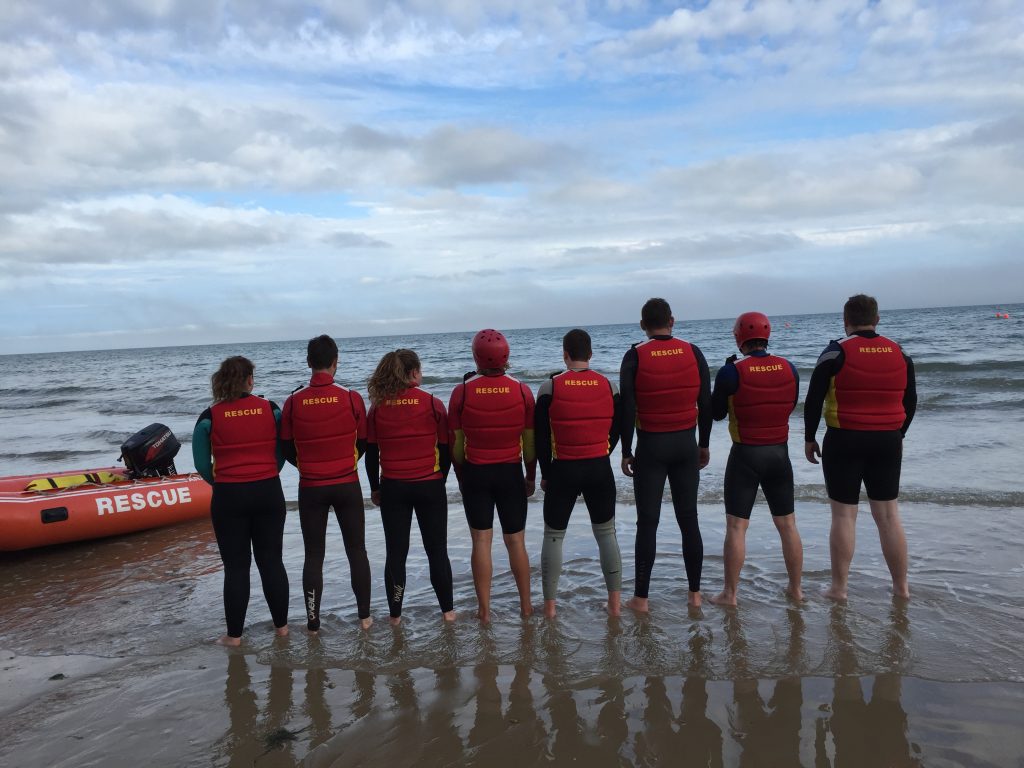
Wednesday Training
(16+ yrs) | Wednesday | 18:00 – 21:00
Throughout the longer summer evenings (May-September) Wednesday nights act as our primary training session. The team focuses on a number of skills including lifesaving and operational skills alongside IRB sport training in preparation for competitions.
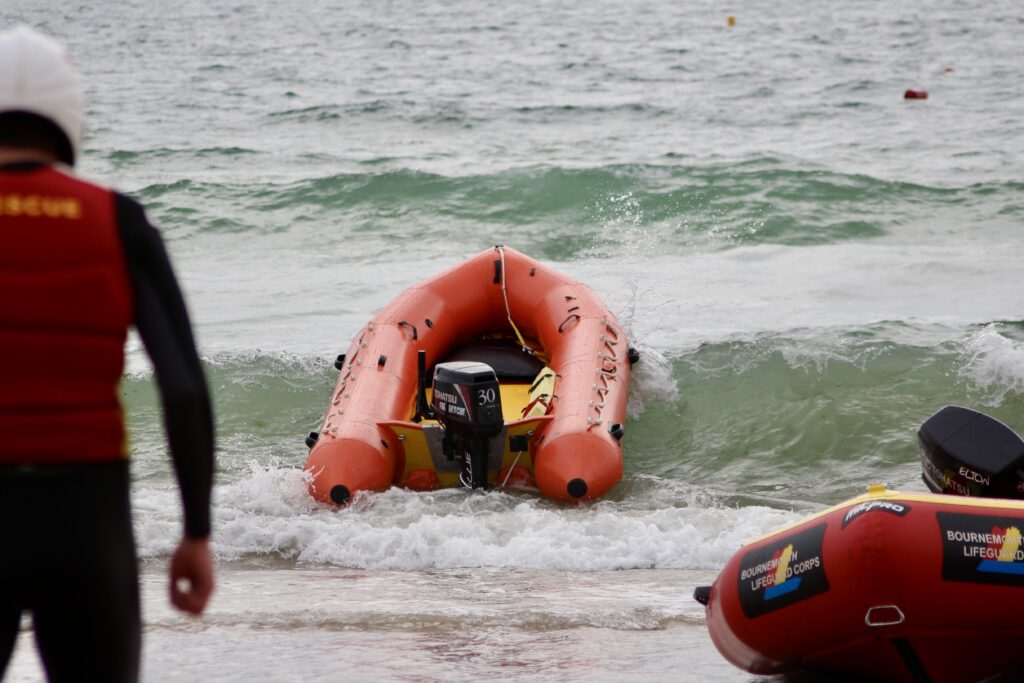
Winter Training
(16+ yrs) | Saturday | 14:00 – 17:00
Thanks to our amazing new HQ at Josephs Steps we are able to maintain our training throughout the winter months. Occurring on Saturday afternoons every 2-3 weeks these sessions are a chance to build on the sport and lifesaving skills, catch up on maintenance and build skills in slightly more challenging surf.
Bournemouth Lifeguards has a long and proud history of operating lifesaving craft. Today, we operate five Arancia inshore rescue boats, powered by surf-modified Tohatsu outboards all housed in our cutting edge HQ at Joseph’s Steps. Together with our dedicated crews, who have a wealth of technical knowledge and operational expertise, these resources make BLGC one of the largest and most successful IRB clubs in the UK.
Meet our Boatswain
“Hello! I’m John and if you want to talk about Inshore Rescue Boats or IRBs as we know them, then I hope you’ve got plenty of time on you. I look after our boats and training of crews as well as IRB sport and competitions. I have been involved with BLGC for more years than I haven’t and proud to be part of the club.”
John Humphreys
Boatswain
History of IRBs
Before exploring our incredible kit and how we use it, it’s important to understand the origins of the IRB and how BLGC came to use them. Use the toggles below to explore both the wider history of IRBs and how BLGC’s use of rescue craft evolved to adopt them.
Our Kit
IRB Champs '24 | Tegan Bird
IRB Champs '24 | Tegan Bird
IRB Champs '24 | Tegan Bird
IRB Champs ’26 | Tegan Bird
At BLGC we operate 5 Arancia Surf Rescue Boats.
They are constructed with three inflatable sponsons and a single inflatable keelson. The removable floor allows the boat to be fully deflated for easy transport. Designed to be operated by two people (a crew member and a driver), they can accommodate 5–6 people when required.
Their classic orange color is recognised around the world.
- Propellor Guard
- Reversed Kill Switch
- Throttle Return Spring
You may also notice that each of our engines have their own name. This helps us keep track of engine hours and any issues / maintenance.
Alongside our boats and engines we also carry various additional kit and PPE. Including:
- Buoyancy Aids
- Helmets
- VHF Radios
- Tow Rope
- Rescue Tube
- Grab Bag
Lifesaving Operations
The primary use of the IRB is as a lifesaving craft. As part of our regular training we practice all sorts of operational skills in a variety of conditions.
All of this training leads toward the SLSGB Crew and Driver Awards, the qualifications that enable our members to operate the IRB safely and effectively in real operational environments.
IRB Crew Award
IRB Crew Award
16+ Yrs
10 Hours Experience (5 afloat)
Hold a Valid SLSGB Lifeguard qualification or recognised
equivalent.
IRB Driver Award
IRB Driver Award
17+ Yrs
20 Hours Experience (10 afloat)
Hold a Valid SLSGB Lifeguard qualification or recognised
equivalent.
We’re able to provide IRB support with fully qualified crews as part of our event safety cover. In the past we’ve provided IRB cover for numerous events including the GBSUP Battle of the Bay, Brownsea Island Swim & the Bournemouth Air Show. To learn more or to make an enquiry, please visit our Event Cover page.
IRB Sport
IRB Champs '24 | Tegan Bird
IRB sport consists of 4 simulated rescue events, with the ultimate aim of improving lifesaving skills through competition. The 4 events are:
- Single Rescue
- Tube Rescue
- Mass Rescue
- Team Rescue
To learn more about IRB sport and BLGCs historical performances visit our dedicated lifesaving sport page.
Our Sessions
Wednesday Training
(16+ yrs) | Wednesday | 18:00 – 21:00
Throughout the longer summer evenings (May-September) Wednesday nights act as our primary training session. The team focuses on a number of skills including lifesaving and operational skills alongside IRB sport training in preparation for competitions.
Winter Training
(16+ yrs) | Saturday | 14:00 – 17:00
Thanks to our amazing new HQ at Josephs Steps we are able to maintain our training throughout the winter months. Occurring on Saturday afternoons every 2-3 weeks these sessions are a chance to build on the sport and lifesaving skills, catch up on maintenance and build skills in slightly more challenging surf.